
Bridges in Richmond, TX
Replace one or more missing teeth with a custom-crafted bridge that restores your smile and bite.
Bridges Explained
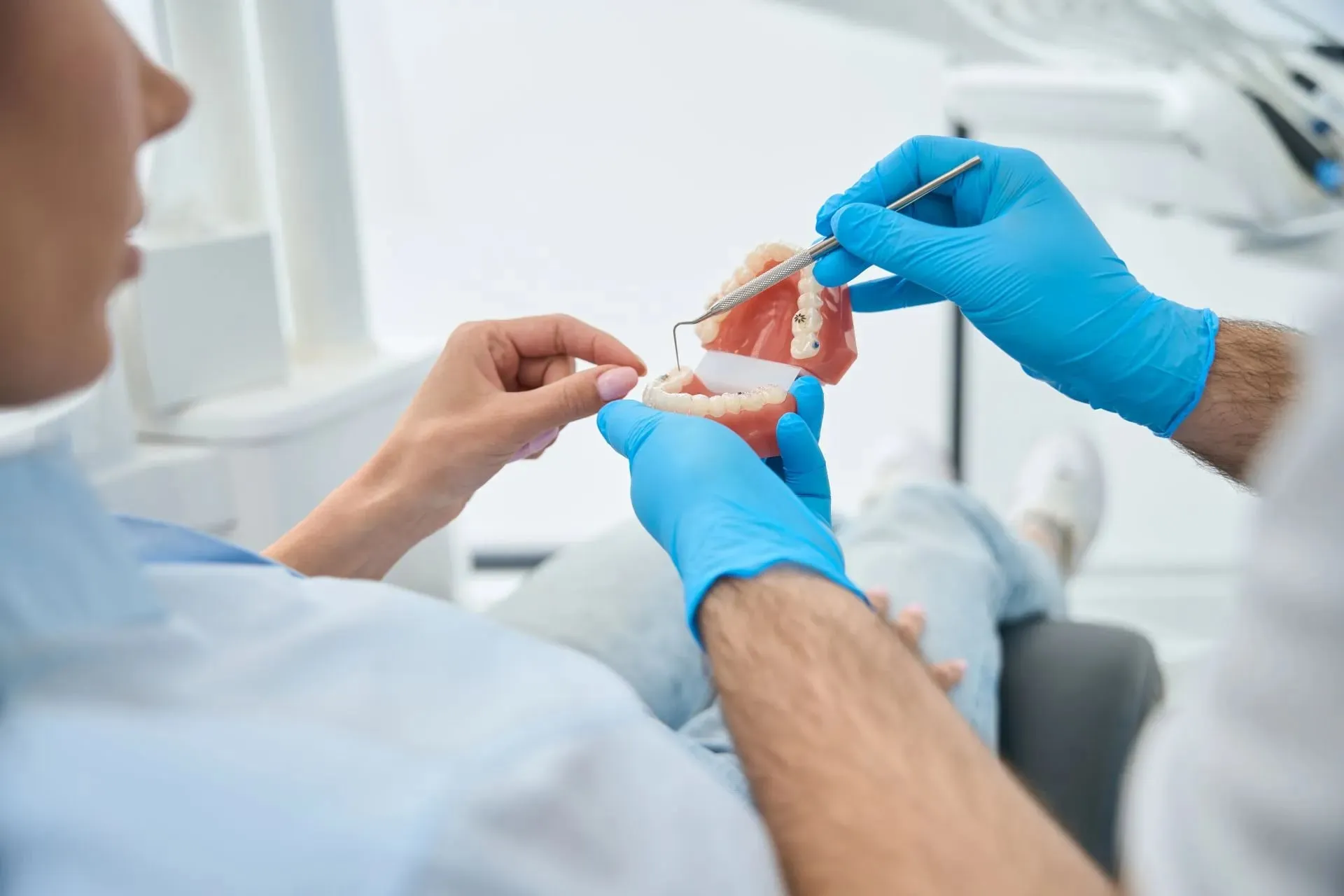
Looking for Bridges in Richmond, TX? A dental bridge is a fixed restoration that replaces one or more missing teeth by anchoring a replacement tooth (called a pontic) between two crowns placed on the adjacent natural teeth. At Cozy Cove Dental, bridges are used to restore both function and appearance after tooth loss, allowing patients to chew, speak, and smile confidently again. Unlike removable partial dentures, a bridge is cemented permanently in place and stays in your mouth at all times.
There are several types of dental bridges. Traditional bridges, the most common type, use crowns on the teeth on either side of the gap to support a pontic in the middle. Cantilever bridges are anchored on only one side and are used in specific situations where there's only one natural tooth available. Maryland bridges use a metal or porcelain framework bonded to the back of adjacent teeth, preserving more of the natural tooth structure. Implant-supported bridges anchor to dental implants instead of natural teeth and are an excellent option when multiple adjacent teeth are missing.
When teeth are missing, the surrounding teeth often shift over time, which can cause bite problems, gum disease, and additional tooth loss. Replacing missing teeth with a bridge stops this shift and protects your long-term oral health. The bridge procedure typically takes two appointments. The first prepares the supporting teeth and takes impressions, and the second places the permanent bridge. With proper care, a dental bridge typically lasts 10 to 15 years and often longer.
Our Approach
Replacing a missing tooth is about more than aesthetics. Untreated tooth loss leads to bone loss, shifting teeth, and bite problems that can cascade into bigger issues. At Cozy Cove Dental, we evaluate every missing-tooth case carefully, taking time to discuss the trade-offs between bridges, implants, and partial dentures so you can make an informed decision based on your unique situation, budget, and goals.
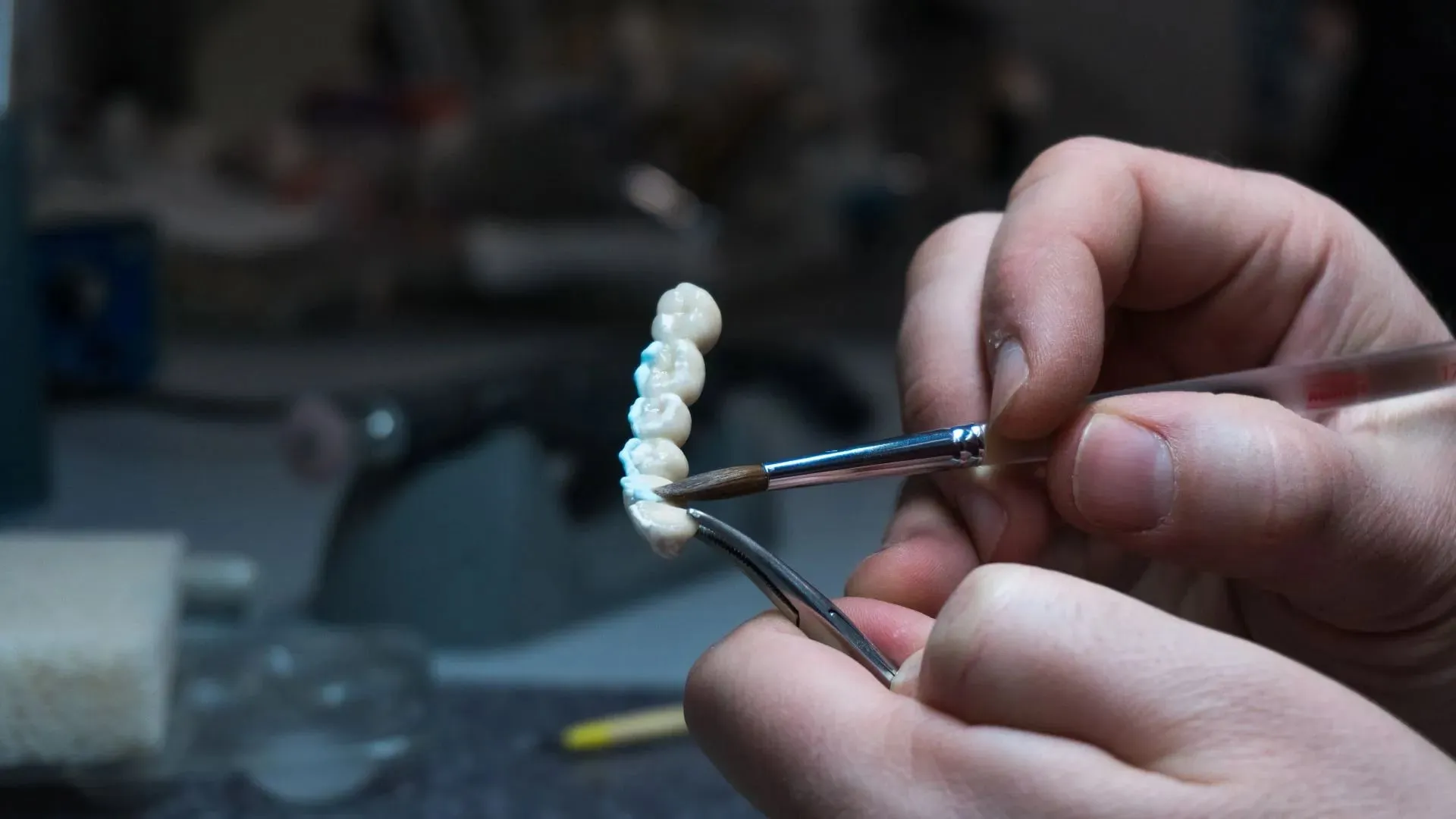
When a bridge is the right choice, we focus on conservative preparation of the supporting teeth, accurate impressions, and high-quality lab work that produces a restoration that looks and functions like natural teeth. We also spend time teaching you how to clean around and under your bridge, because proper home care is the single biggest factor in how long your bridge lasts.
How Treatment Works
Review
We evaluate the missing tooth area, surrounding teeth, gums, and bone structure to determine whether a bridge is the best replacement option for you.
Prepare
The supporting teeth on either side of the gap are gently shaped under local anesthesia to receive crowns, and an impression captures the area.
Place
A custom-made bridge is permanently cemented in place, restoring full chewing function and a complete-looking smile.
Stabilize
Specialized cleaning techniques and regular dental visits keep the bridge and supporting teeth healthy for many years.
Bridges FAQs
We believe informed patients make confident decisions. Below are some of the most common questions we receive about our practice and comprehensive care.
How long do dental bridges last?
How much does a dental bridge cost?
Can I eat normally with a dental bridge?
How do I clean under a dental bridge?
Are bridges removable?
What are the alternatives to a dental bridge?
Will a bridge feel like my natural teeth?
Do dental bridges damage the supporting teeth?
Will my insurance cover a dental bridge?
Let's get you Smiling.
Schedule your visit and see why so many neighbors trust our team. We can't wait to meet you.