
General Dentistry and Hygiene in Richmond, TX
Dental hygiene services are the foundation of long-term oral health.
General Dentistry and Hygiene Explained
Dental hygiene services are the foundation of long-term oral health. At Cozy Cove Dental, professional cleanings, exams, and preventive care are designed to remove plaque and tartar that home brushing cannot reach, identify potential problems before they become serious, and maintain the health of your teeth and gums for life. Most patients benefit from professional cleanings every six months, though some may need more frequent visits based on individual risk factors.
A typical hygiene appointment includes a thorough cleaning to remove plaque and hardened tartar from above and below the gumline, polishing to remove surface stains, and fluoride application to strengthen enamel. Your hygienist will also measure your gum pockets to assess gum health, check for signs of decay or other issues, and provide guidance on home care techniques. The dentist then performs a comprehensive exam to evaluate your overall oral health, including screening for oral cancer, evaluating existing restorations, and recommending any needed treatment.
Beyond cleaning, hygiene visits are critical for early detection. Many dental problems including cavities, gum disease, oral cancer, and bite issues develop gradually and are best treated early. Skipping cleanings often allows small problems to grow into larger, more expensive ones. Patients who maintain consistent hygiene visits typically experience fewer dental emergencies, lower lifetime dental costs, and better overall oral health than those who only visit when problems arise.

Our Approach
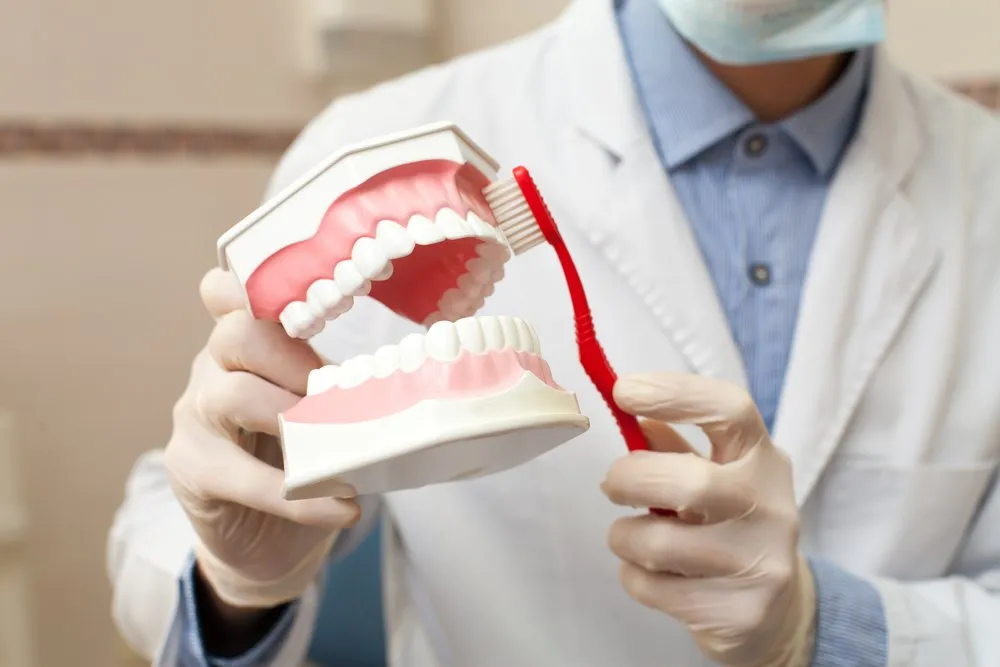
We believe hygiene visits are too important to be rushed or routine. At Cozy Cove Dental, every cleaning is thorough, gentle, and tailored to your individual needs. Our hygienists take time to discuss your home care, identify areas that may need attention, and provide personalized recommendations based on your specific situation.
We use modern instruments and techniques to make cleanings as comfortable as possible, including ultrasonic scalers that remove tartar more efficiently than traditional hand instruments. For patients with sensitive teeth, we offer numbing options and adjusted techniques. We also stay alert for early signs of issues like decay, gum disease, oral cancer, and bite problems, because catching them early means simpler, less expensive treatment.
How Treatment Works
Assess
Your hygienist reviews your medical and dental history, takes any needed X-rays, and evaluates your gums and teeth.
Clean
Plaque and tartar are removed from above and below the gumline using ultrasonic and hand instruments, followed by polishing.
Protect
Fluoride application strengthens enamel, and recommendations or treatments are provided for any specific concerns.
Educate
Your hygienist provides personalized home care guidance and the dentist performs a comprehensive exam.
General Dentistry and Hygiene FAQs
We believe informed patients make confident decisions. Below are some of the most common questions we receive about our practice and comprehensive care.
How often should I get a professional dental cleaning?
How much does a dental cleaning cost?
What's the difference between a regular cleaning and a deep cleaning?
Are dental cleanings painful?
Can I skip cleanings if I brush and floss well at home?
What is gum disease and how do I know if I have it?
Why does my hygienist measure my gums?
Can dental cleanings whiten my teeth?
What is fluoride and why is it applied during cleanings?
Let's get you Smiling.
Schedule your visit and see why so many neighbors trust our team. We can't wait to meet you.